Pollen on Your Car: How Serious Is It (and Can It Damage Paint)?
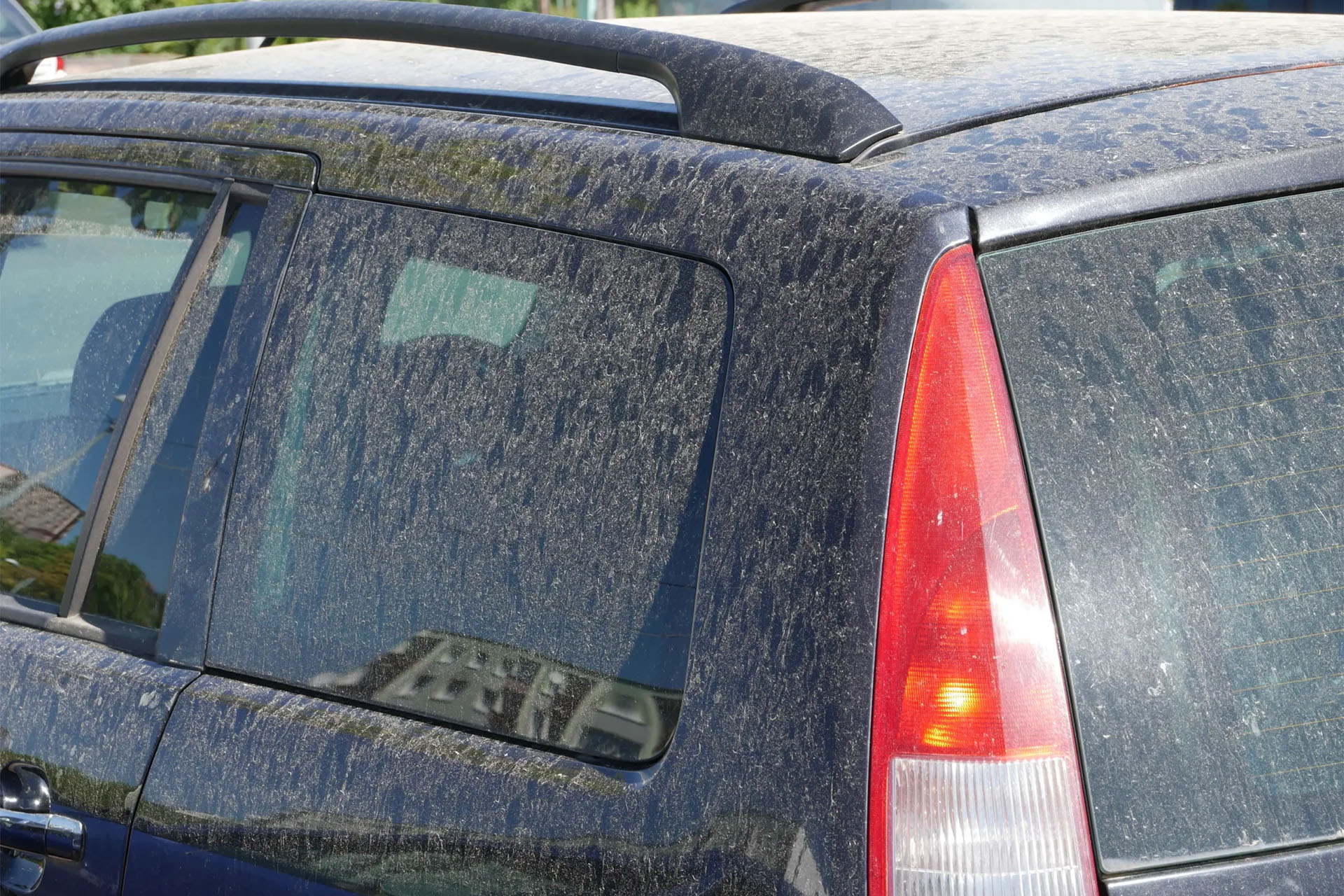
You wash your car, feel good about it, and then two or three days later, it is yellow again. If you are dealing with pollen on your car right now, you are not alone. That’s just spring in Florida.
The good news is that pollen on a car is usually more annoying than dangerous. The bigger issue is how you remove it. A quick dry wipe can turn a pollen-covered car into a paint problem, especially if that pollen is mixed with road dust or coastal grit.
In this guide, we will keep it simple. You will learn whether pollen is bad for car paint, how long you can leave it there, and the safest way to clean it off without scratching the finish. And if you cannot wash as often as pollen season demands, we will share a minimum-effort plan that helps you stay ahead of buildup.
Quick Answer
Having pollen on your car usually is not an emergency, but removing it the wrong way can scratch paint. The biggest risks are wiping it off dry, letting wet pollen bake in the sun, and dealing with pollen mixed with grit. If you can’t wash often, start with a rinse-first, minimum-effort plan to safely knock it down before you touch the paint.
Is Pollen Bad for Car Paint?
Most of the time, pollen itself is not “eating” your clear coat. The trouble is that pollen is sticky and fine, and it tends to hold onto moisture. Once it gets damp from dew, humidity, or a quick Florida shower, it can cling tighter and leave behind a film when it dries.
Here is how it usually plays out:
- Dry pollen sitting on the surface: Mostly cosmetic. It looks rough, but it is usually easy to remove with a normal wash as long as you do not grind it into the paint.
- Wet pollen plus sun: This is when you are more likely to see pollen spots on a car or a light residue. As the water evaporates, it can leave a faint outline or hazy film that takes a little more effort to wash off.
- Trying to wipe it off dry: This is the most common way paint gets into trouble. It is not that pollen is sandpaper on its own. It is that pollen often sits on top of everyday road dust, and wiping without rinsing first can drag that grit across the clear coat.
- The Florida factor: Between coastal sand, construction dust, and humid mornings, pollen on car paint is more likely to be mixed with fine grit and more likely to stay damp longer. That combination is what leads to micro-scratches and stubborn spotting, especially on darker vehicles where swirls show up faster.
How Long Can You Leave Pollen on Your Car?
You really do not need to panic. Think of it like this: the longer it sits, the more likely it is to stick, spot, or turn into a film that takes extra time to remove.
A practical timeline:
- Same day: No big deal. If you cannot wash today, you are fine. Just avoid dry wiping if you are tempted to “dust it off.”
- After 2 to 3 days: A rinse is worth it if you can swing it, especially if you have had dew, rain, or afternoon sun. This is the point where residue and light spotting become more common.
- After 1 to 2 weeks: Your paint is usually still fine structurally, but cleanup gets more annoying. Expect more stuck-on buildup, more visible spotting on dark paint, and a higher chance that you will need a more thorough wash to get your finish looking clear again.
How to Remove Pollen From Your Car (Safest Method)
The goal is simple: get the pollen off the paint with as little rubbing as possible. That starts with water, not a towel.
Here is the safest step-by-step method:
- Rinse first
Use a hose with a gentle spray or a pressure washer on a safe setting. Start at the roof and work down. This knocks loose pollen off the surface, so you are not dragging it around.
- Use a proper car wash soap
Skip dish soap and household cleaners. They can be harsh on waxes and sealants, and may dry out trim over time. A dedicated car wash soap gives you lubrication, which helps your wash mitt glide instead of grabbing.
- Do a gentle contact wash with clean wash media
Use a clean microfiber wash mitt or pad. Wash in straight lines, not aggressive circles, and rinse your mitt often. If the car is heavily coated, do a second quick rinse before you start washing.
- Rinse thoroughly
Make sure you flush pollen out of creases, around mirrors, and near badges where it likes to collect.
- Dry with a clean microfiber towel using light pressure
Blot or glide lightly. If you have multiple towels, use one for the main panels and a separate one for lower, dirtier areas.
- Optional: apply a spray sealant or wax
This is not required, but it can make the next wash easier. A little protection helps pollen release faster and reduces how much sticks after dew or rain.
The “I Can’t Wash Often” Plan (Realistic Options)
When pollen keeps coming back every few days, the challenge is not knowing what to do. It is finding a routine you can actually keep up with. Here are three options depending on your schedule.
Minimum Plan (5–10 minutes)
Best for busy weeks when you just need to knock the worst of it down.
- Quick rinse, top to bottom
- Dry carefully with a clean microfiber if you are trying to avoid water spots
- If you must touch the paint between washes, use a lubricated quick detailer or waterless wash product and a clean microfiber, and use very light pressure. Fold the towel often so you are not reusing a dirty section.
Better Plan (10–20 minutes)
Best when you can spare a little time but do not want to do a full detail.
- Rinse, then a quick soap wash
- Focus on safe drying. Drying is where people rush. A clean towel and light pressure go a long way toward keeping your finish looking good, especially on darker paint.
Best Plan (The Pollen Season Solution)
If your car is getting yellow again every two or three days, unlimited washes are what make staying ahead of it realistic.
That is where Grease Pro’s Wash Club is the easiest option. You can wash as often as pollen season demands without adding another big chore to your week or spending your weekends trying to keep up.
Touchless vs Soft-Touch (Brush) Car Wash for Pollen
If you are dealing with heavy pollen on your car, the type of wash you choose can change how well it comes off and how your paint looks over time. The best option depends on how often you wash, how dirty the car is, and how picky you are about your finish.
What Is a Touchless Car Wash?
A touchless wash uses high-pressure water and strong cleaning chemicals to remove dirt and pollen without any brushes or cloth touching your vehicle.
Pros for pollen:
- No physical contact, so there is less chance of friction-related swirls from wash material
- Great for a quick rinse when the car is lightly dirty
Cons for pollen:
- Pollen can be sticky, especially after dew or rain, and touchless systems may not remove all of it in one pass
- Stronger chemicals can be harder on waxes and sealants over time
- You may still see a light film on the paint, especially on dark cars
What Is a Soft-Touch (Friction Tunnel) Car Wash?
A soft-touch wash, sometimes called a friction tunnel, uses soft cloth or foam cleaning material that gently contacts the vehicle as it moves through multiple wash stages.
Pros for pollen:
- Physical contact helps lift stubborn pollen film that water alone can leave behind
- Often delivers a more consistent “fully clean” look in pollen season, especially when cars are washed frequently
Cons for pollen (and for paint care in general):
- Any contact wash can create fine swirls over time, especially on black or dark paint that shows marks more easily
- If a vehicle comes in very dirty, grit can be a bigger concern than pollen itself, which is why pre-rinse and good wash stages matter
Because pollen can leave a stubborn film, many drivers prefer a wash with gentle contact. That is why Grease Pro uses a soft-touch (friction) tunnel with multiple cleaning stages to help get your car fully clean.
Florida Pollen Season Tips (Why It Feels So Intense Here)
If pollen season feels extra aggressive in Florida, you are not imagining it. It is not just the amount of tree pollen. It is the moisture.
1) Moisture is What Turns “Dusty” Pollen Into “Stuck-on” pollen
On dry days, pollen often sits loosely on the surface and comes off more easily with a good rinse and wash. In Florida, we deal with moisture in a few different ways:
- Humidity and morning dew: Even when it does not rain, the air stays damp. That moisture helps pollen cling to paint and glass, so your car can look freshly coated again overnight.
- Rain showers: Rain can feel like a triple whammy. As raindrops fall, they can catch pollen floating in the air and then deposit it on whatever they land on. That is one reason some people notice that allergies feel worse during showers in peak season. On your car, it can leave behind a light film or spotting once the water dries.
2) Parking Tips That Actually Help
- Avoid parking under trees when you can, especially oaks and pines, during peak pollen weeks. Even a few hours can make a clean car look yellow again.
- If it rains and your car dries with a film, rinse it off sooner rather than later. A quick rinse can prevent that stuck-on layer from building up.
3) Practical Wash Frequency for Florida Drivers
There is no perfect schedule in pollen season, but here is a realistic rule of thumb:
- Heavy pollen weeks: Plan on washing every 3 to 5 days if you want to keep it looking consistently clean.
- If you cannot wash that often: Do a rinse-first in between full washes, especially after rain.
- Dark cars: You may want to wash a little more often, simply because pollen film and spotting show up faster on black and darker paint.
An Easier Way to Stay Ahead of Pollen
Pollen season is a lot, especially in Florida. If you want an easy routine that keeps your car looking clean without spending your weekends washing, Grease Pro has a few options to help you stay ahead of the yellow buildup. Check out our Wash Club for unlimited washes, or explore our car wash packages if you just need a great wash once in a while.