Is Doing a Burnout Bad for Your Car? What Really Happens to Your Engine, Tires, and Transmission

Why People Ask About Burnouts

Seeing burnouts and peel outs online makes a lot of drivers curious, and many people end up trying it “just once” to see what the fuss is about. It can feel harmless in the moment, especially if nothing breaks right away.

What most drivers do not realize is that even a brief loss of traction puts serious stress on multiple systems in the car. This article explains what actually happens to your vehicle when the tires spin and why those quick moments can affect the life of your engine, transmission, brakes, and tires.

What Is a Burnout, Exactly?

A burnout happens when the tires spin instead of gripping the road, creating heat, smoke, and the familiar smell of burning rubber. A peel out is a shorter version that happens when the tires break loose during hard acceleration, while drifting involves controlled tire slip while the car is already moving through a turn. During a burnout, the engine is trying to drive the car forward while the brakes and drivetrain are working to control or hold it back, creating intense heat and mechanical stress that can quickly wear on the tires, transmission, and braking components.

“How to Do a Burnout Without Damaging Your Car?” The Honest Answer

There really is no way to spin the tires without causing wear and stress. Even controlled, short burnouts still generate heat and shock that take a toll on your tires, transmission, and drivetrain, no matter what online forums might suggest.

What Happens to Your Tires During a Burnout

When your tires spin instead of gripping the road, they build heat extremely fast. That heat softens the rubber, scrubs away tread, and can even create flat spots where the tire briefly locks and skids. Beyond what you can see, the internal structure of the tire can also be damaged by the sudden temperature spike and stress, increasing the risk of vibrations or blowouts later on. Even a “quick one” can take a noticeable amount of life out of your tires, which is why burning rubber, even briefly, shortens their overall lifespan.

Are Burnouts Bad for Your Transmission?

Burnouts put extreme strain on the transmission because it is forced to transfer high engine power while the wheels are not moving normally. In automatics, this stresses the torque converter, clutch packs, and internal gears. In manuals, the clutch and gear sets absorb the shock. Vehicles with CVT transmissions can experience belt and pulley wear from the sudden load. All of this generates excessive heat, which breaks down transmission fluid and reduces its ability to protect internal parts, leading to faster wear and a higher risk of costly repairs over time.

Engine and Drivetrain Stress You Don’t See

When the tires suddenly lose and regain traction, the force does not just stay in the tires. It travels through the entire drivetrain. Axles, differentials, and driveshafts absorb sharp shock loads that can cause premature wear or even cracks over time. Wheel hop, which is the rapid grabbing and slipping of the tires, is especially hard on these components and can bend or damage them. Motor mounts and suspension parts also take a hit as the engine twists under load, which is why drifting or hard launches can lead to looseness, vibration, and alignment issues later on.

Brake System Damage from Burnouts

During a burnout, the brake pedal is often held while the engine is applying power, which means the braking system is working against the drivetrain. This creates extreme heat in the rotors and pads, leading to faster wear and possible warping. The heat can also cause brake fluid to overheat, reducing its effectiveness and, in severe cases, allowing air to form in the lines. Over time, this heat damage shortens braking performance and can make stopping distances longer and less predictable.

Is Drifting or Hard Launching Any Better?

Not really. Drifting and hard launches create many of the same stress patterns as burnouts, including sudden shock to the drivetrain and extreme heat in the tires. Drifting also adds heavy side loads to the suspension and steering components, while both driving styles accelerate wear in the differential and wheel bearings. Even when done briefly, these forces can shorten the life of parts that are designed for controlled traction, not repeated loss of grip.

Signs Your Car Has Been Stressed by Burnouts or Hard Driving

One burnout might not cause an immediate breakdown, but repeated heat and shock put steady wear on your vehicle’s most important systems. Over time, that stress shortens the life of parts and often leads to repairs that show up weeks or even months later. Common signs include:

  • Noticeable vibration while driving
  • A burning smell after hard acceleration
  • Transmission slipping or delayed shifting
  • Clutch chatter in manual vehicles
  • Uneven or unusually fast tire wear

These symptoms are your car’s way of signaling that the damage is starting to add up, even if everything seemed fine at first.

Curious Is Normal. Damage Is Optional.

Being curious about how your car works and what it can do is completely normal. The key is understanding that actions like burnouts, hard launches, and drifting come with real mechanical consequences, even when they seem harmless in the moment. Knowing what that stress does to your tires, brakes, transmission, and drivetrain helps you make smarter choices that protect your vehicle and your wallet.

If you enjoy performance driving, safer outlets like track days or driving schools let you learn and have fun in a controlled environment without risking street safety. And if your car has already seen some hard driving, it is a good idea to have a professional take a look. A quick inspection of your tires, brakes, and driveline can catch problems early and prevent bigger repairs down the road. You can schedule your service with Grease Pro to make sure everything is still in good shape and ready for the miles ahead.
How Often Should You Change Your Oil Filter? Here’s the Truth

When it comes to car maintenance, oil changes get all the attention. You probably know you need to change your oil regularly to keep your engine running smoothly. But what about the oil filter? It’s not something most drivers think about—you just assume it’s taken care of when you get an oil change.

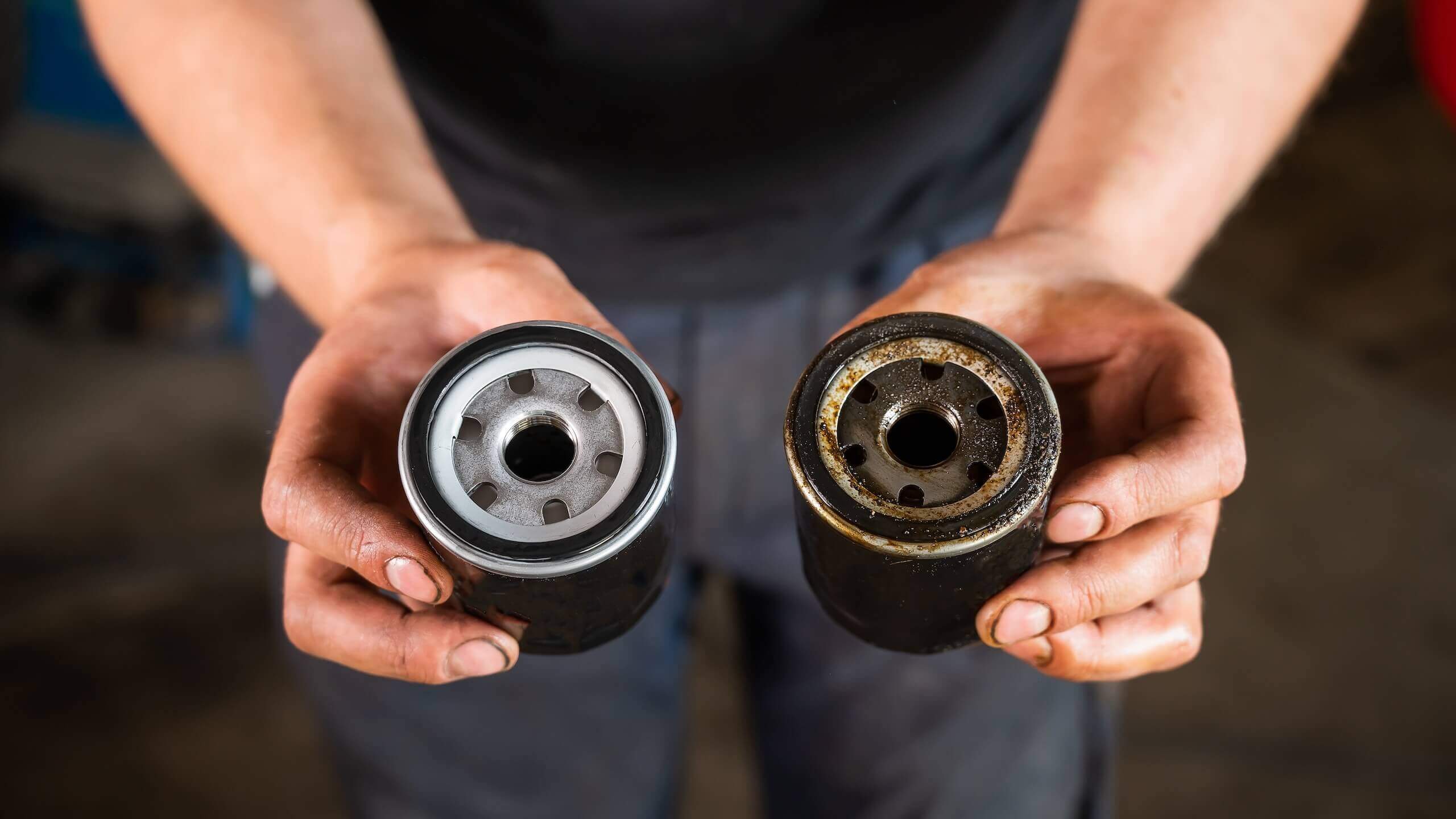
The oil filter plays a crucial role in protecting your engine by trapping dirt, debris, and other contaminants before they can circulate through the system. Over time, it gets clogged, making it harder for clean oil to flow. Ignoring it for too long can lead to reduced engine performance, poor fuel efficiency, and even costly repairs.

So, how often should you change your oil filter? And why does it matter? In this guide, we’ll break down everything you need to know to keep your engine in top shape.


What Does an Oil Filter Do?

Filtering Out Contaminants

Your engine relies on clean oil to function properly. Over time, that oil collects tiny metal particles, carbon deposits, and other contaminants that can cause damage. That’s where the oil filter comes in. As oil circulates through the engine, it passes through the filter, which traps these harmful particles before they can cause excessive wear on engine components.

Maintaining Proper Lubrication

Oil plays a critical role in reducing friction between moving engine parts. Without proper lubrication, these parts can grind against each other, leading to overheating and increased wear. The oil filter ensures that only clean oil is reaching these components, helping your engine run efficiently.

Unfortunately, due to the nature of the oil filter’s job, it gets pretty dirty and becomes clogged over time. There’s only so much dirt and debris it can hold before it starts to lose its effectiveness, which is why regular replacement is a must.


How Often Should You Change Your Oil Filter?

The good news is that replacing your oil filter on time is simple. Most manufacturers recommend changing the oil filter with every oil change, and many service centers include it as part of the service. Oil change intervals typically range from 3,000 to 7,500 miles, depending on your vehicle and the type of oil used. However, it’s always a good idea to check your owner’s manual or ask your service provider to confirm the best schedule for your car.

Factors That Affect Oil Filter Lifespan

While following the manufacturer’s guidelines is a good rule of thumb, some driving conditions may cause your oil filter to become clogged faster. You may need to replace it sooner if you regularly experience:

  • Frequent Stop-and-Go Driving: City driving increases contaminants in the oil.
  • Extreme Temperatures: Hot and cold weather can affect oil viscosity and filter performance.
  • Towing or Heavy Loads: Extra strain on the engine leads to quicker oil contamination.
  • Oil Quality: Synthetic oil generally lasts longer, but the filter still needs regular replacement.

Replacing your oil filter at the right time is a simple but important step in keeping your engine clean and running efficiently.


What Happens If You Don’t Change Your Oil Filter?

Skipping oil filter changes might not seem like a big deal at first, but over time, it can lead to some serious (and expensive) problems. Like any other routine maintenance, replacing your oil filter on time helps prevent bigger issues down the road. Here’s what can happen if you let it go too long:

Reduced Engine Performance

As your oil filter gets clogged with dirt and debris, oil has a harder time flowing through it. This can cause sluggish acceleration, rough idling, and even lower fuel efficiency. If your car feels like it’s working harder than usual, a dirty oil filter might be part of the problem.

Increased Engine Wear & Costly Repairs

Oil keeps your engine lubricated, but if the filter is clogged, dirty oil—or not enough oil—may be reaching key components. Over time, this increases wear on the engine, leading to expensive repairs or even complete engine failure. Replacing an oil filter is a cheap and easy fix compared to replacing engine parts.

Risk of Oil Starvation

In extreme cases, a completely clogged oil filter can block oil flow altogether. Some cars have a bypass valve that allows oil to keep circulating, but that means unfiltered oil is running through your engine, carrying harmful debris with it. If your car doesn’t have a bypass system, oil starvation can occur, leading to overheating and severe engine damage.


Can You Change an Oil Filter Without Changing the Oil?

Technically, yes—you can change an oil filter without changing the oil. But in most cases, it’s not recommended.

Oil filters and engine oil work together to keep your engine clean and lubricated, so they are typically replaced at the same time. If you swap out the filter but leave old oil in the system, that fresh filter immediately starts collecting contaminants from degraded oil, reducing its effectiveness.

When Might You Replace Just the Filter?

There are a few situations where changing only the oil filter could make sense, such as:

  • If the filter was installed incorrectly or is leaking.
  • If the oil filter becomes extremely clogged before the next scheduled oil change.
  • If you’re topping off oil between changes but want a fresh filter.

Why Changing Both Is Best

Most mechanics recommend changing the oil and filter together to ensure clean oil flows through a fresh filter, keeping your engine protected. Since oil filters are inexpensive and quick to replace, it’s best to do both at the same time.


What Oil Filter Do I Need?

Not all oil filters are the same, and using the wrong one can lead to poor filtration or even damage to your engine. Choosing the right oil filter comes down to your vehicle’s specifications, driving habits, and oil type.

Types of Oil Filters

There are several types of oil filters, each designed for different needs:

  • Standard Oil Filters: These are the most common and work well for regular driving conditions.
  • High-Performance Oil Filters: Designed for high-mileage or high-performance vehicles, they offer better filtration and durability.
  • Synthetic Media Oil Filters: These provide superior filtration and last longer, making them ideal for synthetic oil users.

Finding the Right Oil Filter for Your Car

The best way to determine which oil filter you need is to:

  • Check your owner’s manual for manufacturer recommendations.
  • Use an online parts lookup tool from trusted brands or retailers.
  • Ask your mechanic or service center to ensure a proper fit.

Why Quality Matters

Cheaper oil filters may not provide the same level of protection as higher-quality options. A poorly made filter can break down faster, clog prematurely, or fail to trap contaminants effectively. Investing in a quality filter ensures better engine protection, longer oil life, and fewer maintenance headaches.


The Bottom Line: Don’t Skip Your Oil Filter Replacement

Replacing your oil filter is one of the simplest and most affordable ways to keep your engine running smoothly. It’s a small part, but it plays a big role in preventing engine wear, improving performance, and avoiding costly repairs. Skipping it just isn’t worth the risk.

Get Your Oil Filter Changed in Panama City & Beyond

At Grease Pro, we make it easy. With several convenient locations in Panama City, Lynn Haven, Tyndall, Chipley, and Panama City Beach, you can stop by for a quick, professional oil change—no appointment needed. Our technicians replace your oil filter with every oil change and perform a multipoint inspection, so you can drive away with confidence.

If you’re unsure about your oil filter or think it might need replacing before your next oil change, just stop by—we’ll be happy to check it for you. Keeping up with maintenance shouldn’t be a hassle, and at Grease Pro, we’re here to help.

Learn more about our oil change services here: Grease Pro Oil Change


FAQs

How much is an oil filter?

Oil filter prices vary depending on the brand and type, but most standard filters cost between $10 and $30. High-performance or synthetic media filters may cost more, but they provide better filtration and last longer.

Where is the oil filter?

The location of the oil filter depends on the vehicle. In most cars, it’s near the bottom of the engine, close to the oil pan. Some vehicles have it positioned on the top or side of the engine for easier access. Always check your owner’s manual for the exact location.

How often should you change the oil filter with synthetic oil?

Even if you use synthetic oil, the oil filter still needs regular replacement. Most manufacturers recommend changing the oil filter with every oil change, which is typically every 7,500 to 10,000 miles for synthetic oil users.

How tight should an oil filter be?

An oil filter should be hand-tightened—firm enough to create a seal but not so tight that it’s difficult to remove later. Over-tightening can damage the filter gasket, while a loose filter may leak oil.

Which way do you turn an oil filter to remove it?

To remove an oil filter, turn it counterclockwise (lefty-loosey). If it’s too tight, use an oil filter wrench for extra leverage.

Can a bad oil filter cause my engine to overheat?

Yes. A clogged oil filter can restrict oil flow, leading to increased friction and heat buildup in the engine. While it’s not the most common cause of overheating, it can contribute to engine damage if left unaddressed.

Do you have to change the oil filter every oil change?

Most manufacturers recommend replacing the oil filter with every oil change to ensure clean oil circulates through the engine. Skipping the filter change can reduce oil effectiveness and lead to faster engine wear.

What is the best oil filter?

The best oil filter depends on your vehicle and driving habits. OEM (Original Equipment Manufacturer) filters are always a safe choice, while premium filters with synthetic media provide superior filtration and longer lifespan. Brands like WIX, Mobil 1, and Bosch are known for their high-quality filters.

How long does an oil filter last?

An oil filter typically lasts as long as the oil change interval, which ranges from 3,000 to 7,500 miles for conventional oil and up to 10,000 miles for synthetic oil.

How do you loosen an oil filter?

If an oil filter is stuck, try using:
    • An oil filter wrench for extra grip.
    • A rubber glove or rag to improve hand traction.
    • A little oil on the gasket before installing a new filter to prevent it from sticking next time.

What happens if you change the oil but not the filter?

If you change the oil but not the filter, the new oil will immediately mix with old contaminants trapped in the dirty filter. This can reduce the effectiveness of the fresh oil and lead to faster buildup of engine sludge.

Can you reuse an oil filter?

No, oil filters are designed for single use. Reusing one can cause improper filtration and introduce old contaminants back into the engine. Always replace the oil filter when needed.

Why is my oil filter leaking?

    • A leaking oil filter is usually caused by:
    • An improperly installed or over-tightened filter.
    • A damaged or misaligned gasket.
    • A defective or low-quality filter.

If you notice an oil filter leak, replace the filter immediately or have a professional check it out.