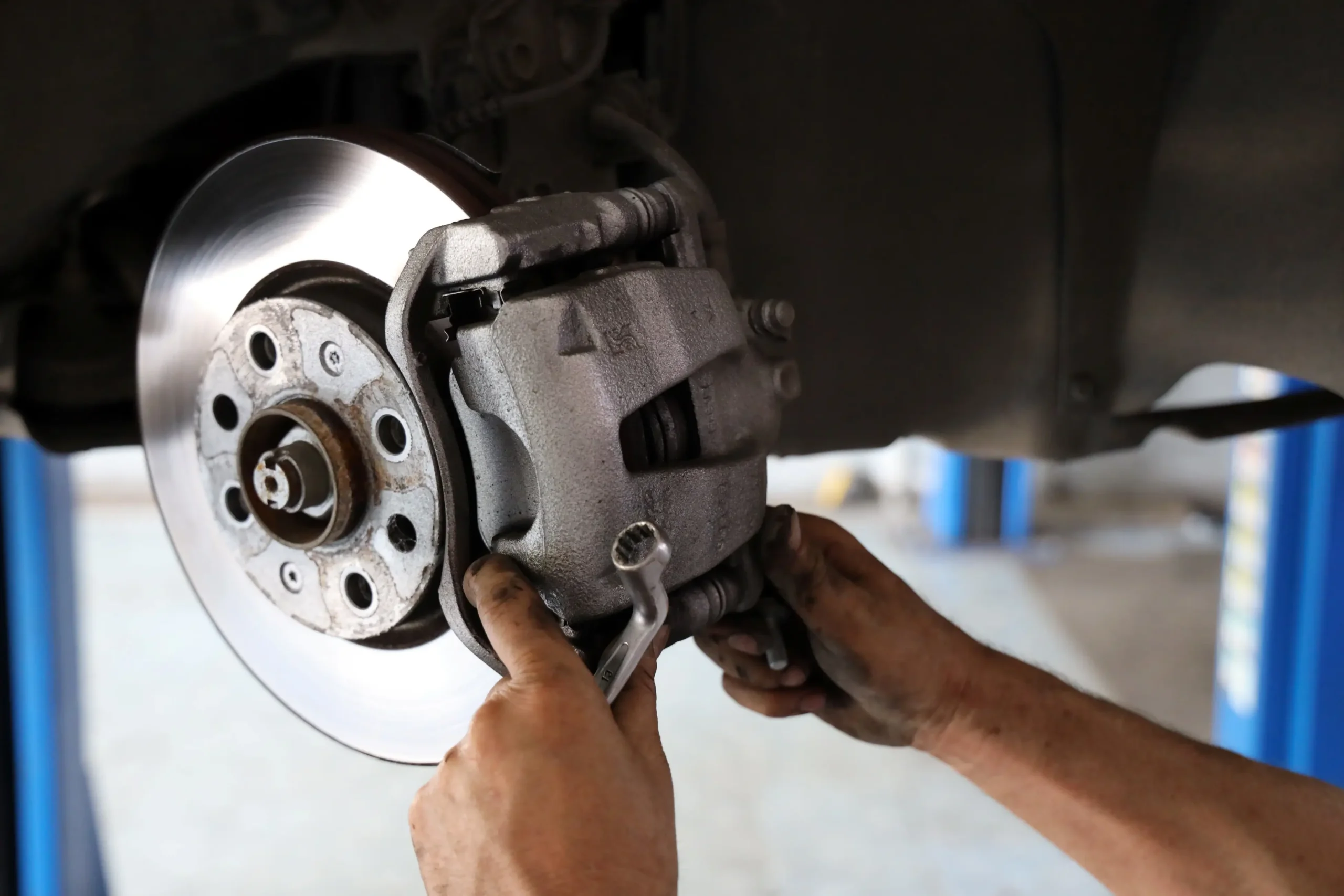
If your brakes feel slippery, noisy, or less responsive than they used to, your brake pads or rotors may be glazed. Brake glazing is more common than most drivers realize, and catching it early can help you avoid bigger, more expensive brake repairs down the road.
Glazed brakes do not usually fail all at once. Instead, performance slowly drops off, which makes the problem easy to ignore until it becomes a safety issue. Knowing what glazing is and how it affects your vehicle puts you back in control of the situation.
Glazed brakes happen when the surface of your brake pads or rotors becomes extremely hard and smooth, almost like glass. This smooth surface reduces the friction your braking system depends on to slow your vehicle.
In most cases, glazing is caused by excessive heat. Repeated heavy braking, riding the brakes downhill, or overheating new brake pads that were not properly broken in can all lead to glazing.
When the surface becomes too smooth, the brake pads cannot grip the rotor the way they should. The result is reduced stopping power, even though the brake components may still look fine at a glance.
In simple terms:
When brakes are glazed, your vehicle no longer stops as confidently as it should. Drivers often notice the change in how the car feels before they ever see visible damage.
Common signs include:
Glazing does not mean your brakes have completely failed, but it does mean they are no longer working at their best. Over time, the problem only gets worse if it is not addressed.
The most obvious sign of glazing is a smooth, shiny surface, but that is not the only clue.
Other visual signs can include:
These changes usually develop gradually, which is why many drivers do not notice the problem until braking performance starts to feel different.
Brake glazing develops when braking components are exposed to more heat than they are designed to handle. While heat is the root cause, everyday driving habits and conditions are usually what create that heat in the first place.
Some of the most common real-world causes include:
When this cycle happens often enough, braking surfaces lose their ability to grip properly, and performance begins to suffer.
You can’t prevent every cause of glazing, but you can reduce your risk.
On long descents, slow down early and use a lower gear to help control speed so you are not constantly on the brakes. Avoid riding the brake pedal in stop-and-go traffic, and give brakes a chance to cool after hard stops. If your pads are new, make sure they were broken in correctly.
When brakes become glazed, the problem can affect either the brake pads, the rotors, or both. While the driving symptoms may feel similar, the source of the problem and the solution are not always the same.
Glazed Brake Pads
Brake pads are designed to have a slightly textured surface that grips the rotor. When they overheat, that surface hardens and becomes smooth, reducing friction and braking power. This is the most common type of glazing and often causes noise and longer stopping distances.
Glazed Rotors
Rotors can also develop a slick, glassy surface from excessive heat. When this happens, the pads struggle to transfer friction evenly, which may lead to vibration, uneven braking, and faster pad wear.
In many cases, both pads and rotors become glazed together, which is why a proper brake inspection is important before deciding on the right repair.
Glazed brakes don’t usually fail all at once, but they do make your car stop less effectively. That means you might need more distance to slow down, especially in traffic, rain, or on a downhill.
Here are the signs that mean you shouldn’t put it off:
If the change is mild and you’re not dealing with heat, vibration, or fading, you can usually make short trips while you get it scheduled. But if you’re smelling burning, feeling shaking, or noticing the brakes getting worse as you drive, it’s time to get them checked sooner rather than later. Driving on overheated brakes can turn a fixable issue into a bigger repair.
The right fix depends on how far the glazing has gone. If it’s mild, you might be able to restore braking performance without replacing everything. If it’s severe, replacement is usually the smarter move.
Light glazing usually means the pads and rotors are shiny and less grippy, but they’re not badly worn or damaged.
A few common ways it’s addressed:
This is the best-case scenario, but it only works when the pads still have plenty of life left and the rotors aren’t heat-damaged.
If the brakes have been overheated repeatedly, the friction material can harden to the point where it won’t come back, even if you sand it.
In those cases, fixing glazed brakes usually looks like this:
A lot of people try a quick scuff and call it good, but the results depend on doing it evenly and bedding the brakes properly afterward. If the brakes still feel slippery, noisy, or inconsistent after that, it’s a sign the glazing is deeper than it looked.
If you think your brakes might be glazed, you don’t have to guess. A quick brake inspection can confirm whether you’re dealing with glazed brake pads or rotors, or something else entirely, like worn pads, warped rotors, brake fluid issues, or a caliper problem. Our team at Grease Pro is happy to check the condition of the pads and rotors, look for heat spots or uneven wear, and talk you through what we’re seeing before recommending any next steps.
Brakes are one of those systems where “close enough” isn’t worth it. If stopping feels off, it’s worth getting it checked so you can drive with confidence.
With 12 locations, there's always one close by to service all of your automobile-related needs.
BROWSE ALL LOCATIONS +