When an oil light comes on, the first thought is often about money and whether your car is about to leave you stranded. The dashboard tries to separate urgent warnings from simple reminders, but it’s not always clear. And let’s be honest, most people don’t have time to flip through the owner’s manual to figure it out.
The good news is, you don’t have to guess. With a little know-how, you can tell what your oil light is really saying and whether it needs immediate attention or just a service appointment in the near future.
Oil Light vs. Oil Change Light: What’s the Difference?
Drivers often confuse the oil pressure warning light with the oil change reminder light, but they serve two very different purposes.
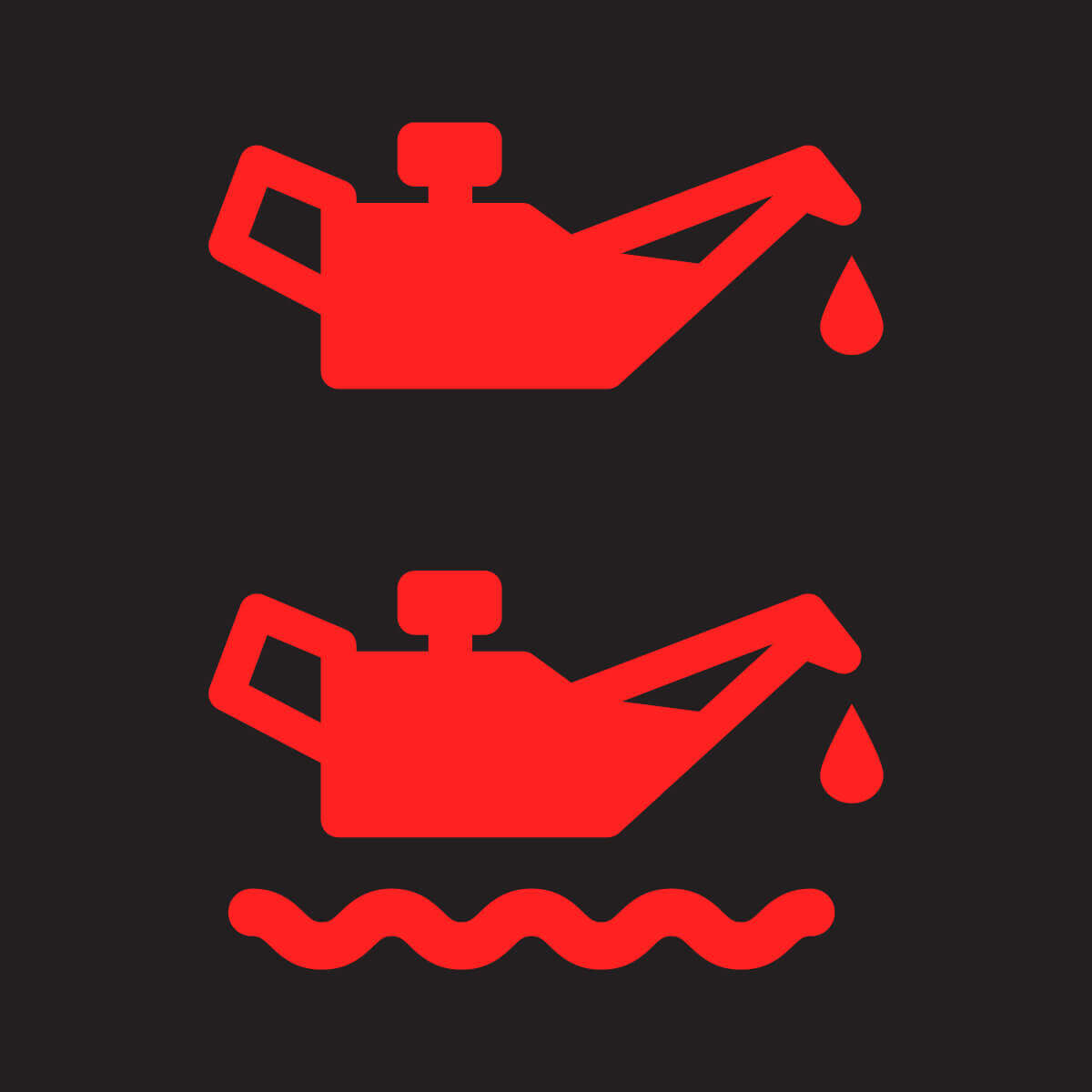
Shaped like a small oil can, this light warns you that the engine oil pressure has dropped. Low oil pressure means your engine isn’t getting the lubrication it needs, which can quickly cause serious damage. If this red light comes on, it’s important to stop the vehicle safely and check your oil level right away.
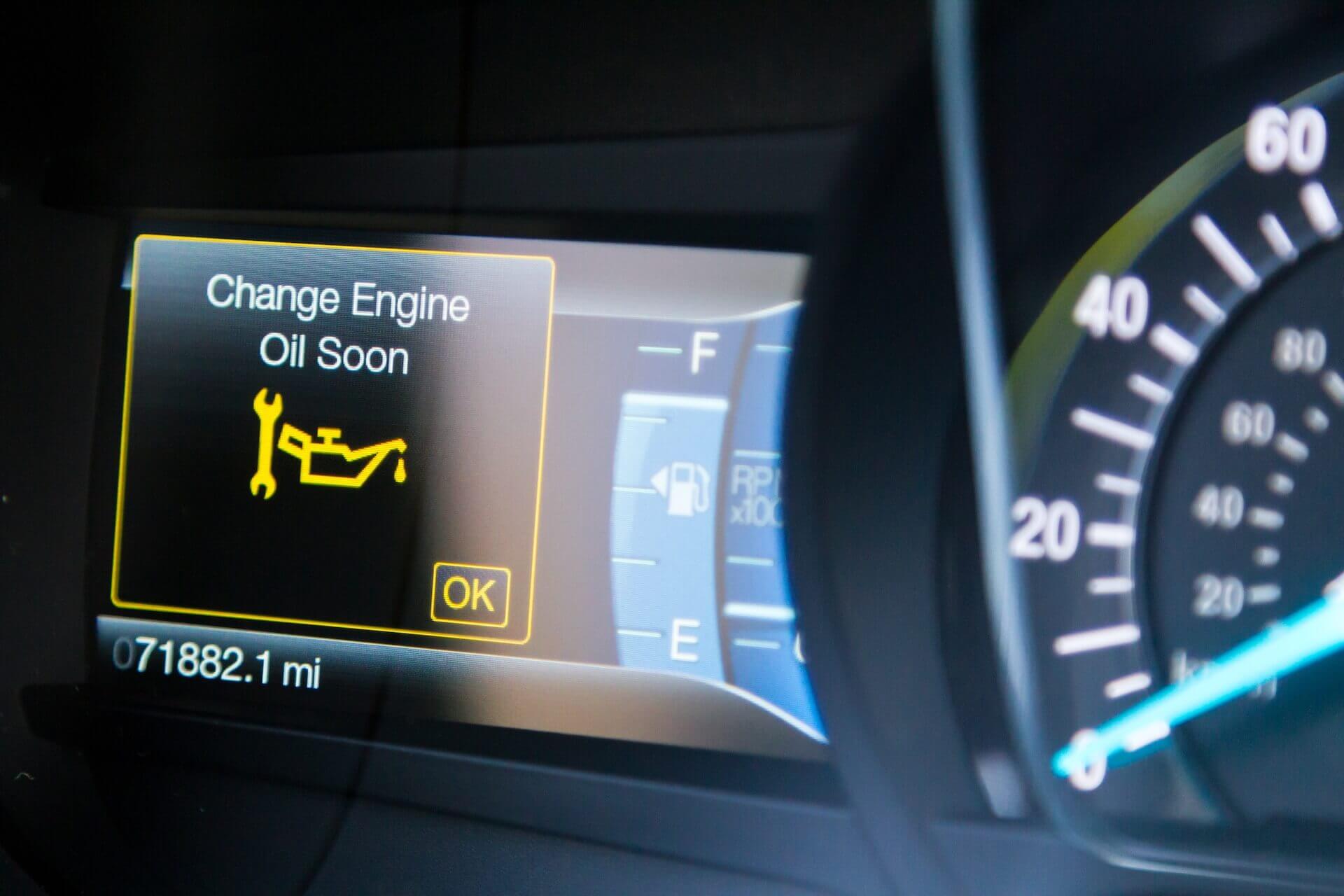
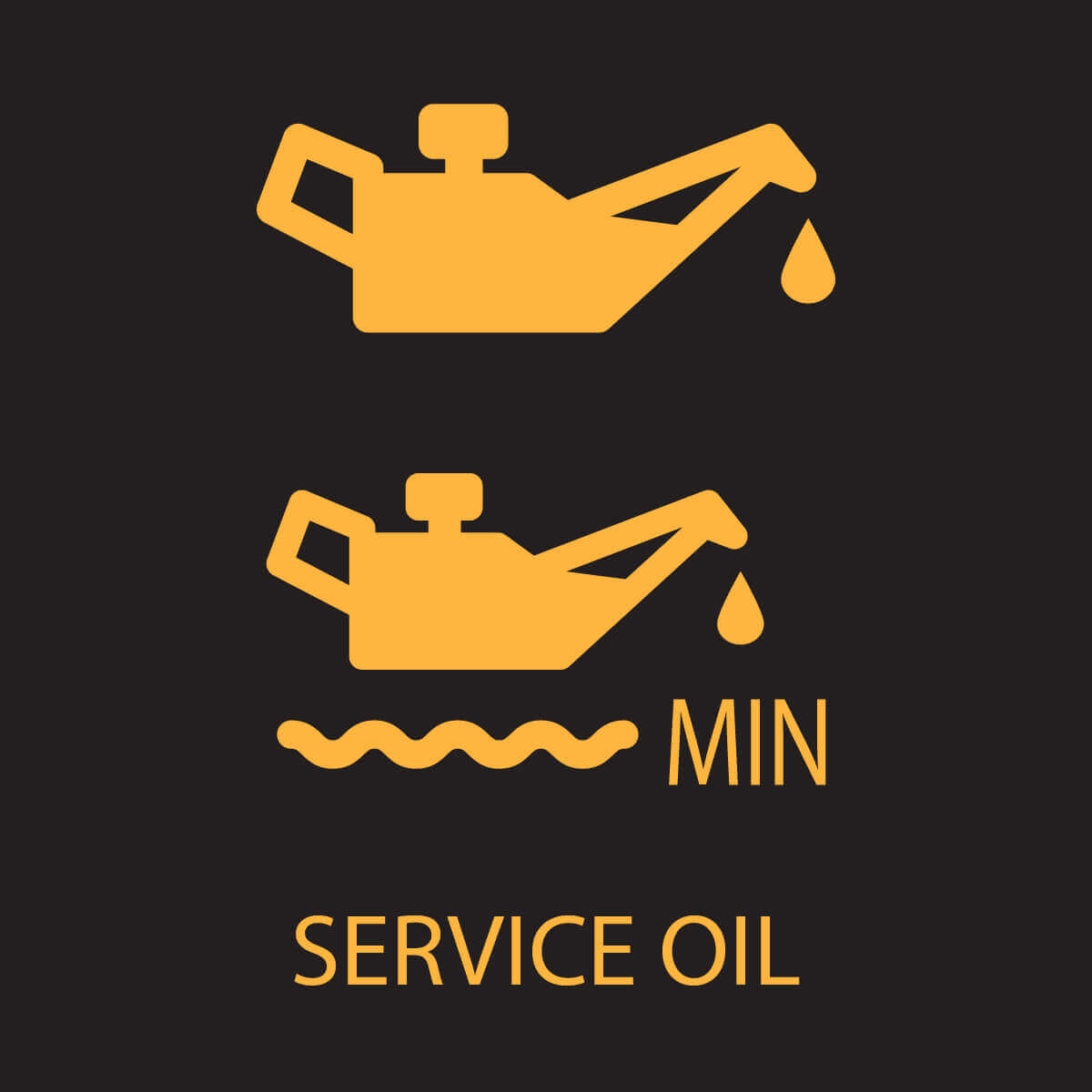
This light is more of a maintenance alert. It lets you know your vehicle is due for an oil change based on mileage or time. While not urgent, ignoring it for too long can lead to dirty or degraded oil that reduces performance and increases wear.
Remember: red means urgent, yellow means service soon. Knowing the difference can help you respond the right way and avoid bigger problems.
Common Reasons Your Oil Light Turns On
Your oil light can switch on for several reasons. Some are simple fixes, while others signal that your engine needs quick attention. Here are the most common ones:
Low oil level: If your engine doesn’t have enough oil, it can’t lubricate moving parts properly. This is the most common reason the oil light turns on, and it’s also one of the easiest to check.
Oil pressure problem: If your oil pump isn’t working correctly or if the oil filter is clogged, the pressure in your system drops. Low pressure means oil isn’t flowing where it needs to, and that can quickly damage your engine.
Faulty sensor: Sometimes the problem isn’t with the oil at all, but with the sensor that measures it. A failing sensor can trigger the light even when everything looks fine, which is why it’s smart to confirm your oil level before panicking.
Thin or dirty oil: Over time, oil breaks down and loses its ability to protect your engine. If it’s too old, too thin, or filled with debris, the system may recognize it as unsafe and trigger the warning.
Light flickers during braking or turns: If the light blinks when you hit the brakes or take a sharp turn, your oil may be low enough that it sloshes away from the sensor. It’s a clear sign you should top it off and check for leaks.
What to Do When the Oil Light Comes On
If your oil light turns on, don’t ignore it. Here are the steps to take, depending on what you see:
Pull over safely if the light is red: A red oil pressure light means your engine may not be getting the oil it needs. Keep driving, and you risk major damage. Find a safe spot to pull over and shut off the engine.
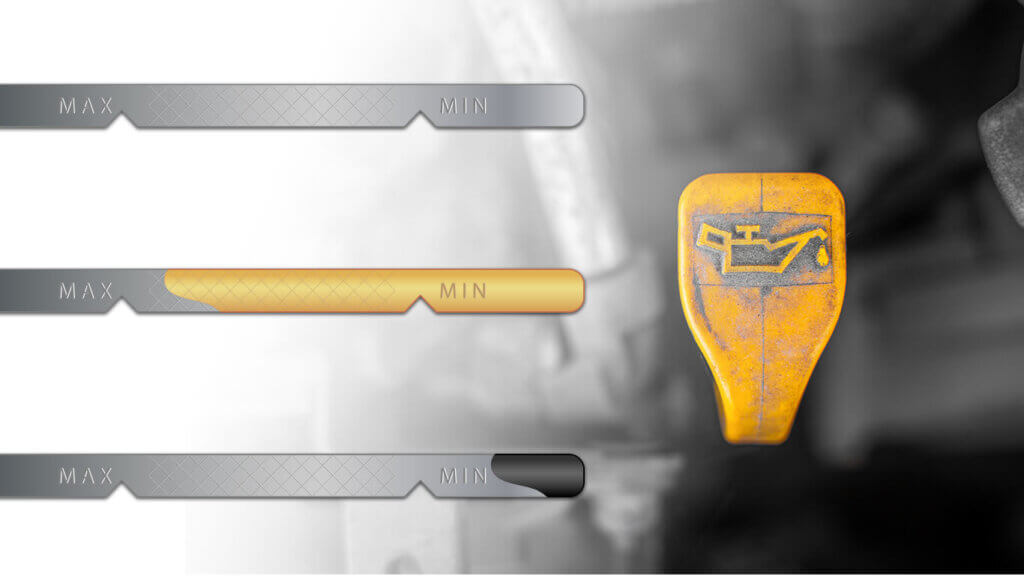
Check your oil level: Once parked, let the engine cool for a few minutes, then use the dipstick to check the oil level. This quick step tells you if you’re running low.
Top off if you have oil: If the dipstick shows the oil is low and you have the right kind of oil with you, add enough to bring it back to the recommended level. This can buy you enough time to get to a shop.
No oil on hand? Play it safe: If you don’t have oil with you, avoid running the engine. Call for roadside assistance or arrange for a tow to prevent costly engine damage. Driving even a short distance with no oil can do serious harm.
Watch for leaks: Look underneath the car for puddles or drips. Even a small leak can cause the oil light to come back on after topping off.
Avoid driving if the light keeps flashing or stays on: A flashing or persistent light means the problem isn’t solved by adding oil. It could be a pressure issue or a faulty sensor, and driving further could put your engine at serious risk.
Pro Tip: Keep a quart of the right motor oil in your trunk. It doesn’t take up much space, and it can save you from being stranded if your oil light comes on when you’re away from home.
Why Is My Oil Light Still On After an Oil Change?
Few things are more frustrating than paying for an oil change and then seeing the oil light pop right back on. If this happens, it doesn’t always mean something was done wrong. Here are the most common reasons it can stay lit after service:
Sensor wasn’t reset: Many vehicles need the oil change reminder system to be reset manually after service. If this step gets missed, the light will stay on even though the oil has been changed.
Wrong oil type or level: Using the incorrect oil viscosity or not filling to the proper level can trigger the light. Double-checking with the manufacturer’s specs is key here.
Persistent oil pressure issue: Sometimes the light isn’t related to the oil change itself but to a bigger problem, such as a weak oil pump or clogged filter. If topping off or changing oil doesn’t clear the light, it could point to a pressure problem.
Mistaken oil lights: The oil pressure warning light (red) is often confused with the oil change reminder (yellow/amber). The pressure light means something more serious, and changing the oil won’t fix it.
If your oil light won’t go away after a fresh oil change, don’t ignore it. A quick inspection can usually pinpoint whether it’s a simple reset or a more important issue that needs attention.
How to Reset an Oil Change Light
In many vehicles, the oil change reminder doesn’t turn off automatically once fresh oil is added. Instead, the system needs to be reset manually. The process isn’t the same for every make and model, but most cars follow a few common methods:
Ignition key method: Insert the key, switch to “on” without starting the engine, and press the gas pedal fully three times within 10 seconds.
Button reset method: Some vehicles use a button near the odometer or dashboard menu. Holding it for a few seconds while the ignition is on can clear the reminder.
Menu navigation: Newer cars often require scrolling through a digital display menu to find “reset oil life” or “maintenance reset.”
If these steps don’t match your car, check the owner’s manual for the exact procedure. And if you’d rather not hassle with it, a technician at Grease Pro can reset it quickly during your visit.
When to Visit a Shop
Some oil light situations can be handled with a quick top-off or reset, but there are times when professional help is the safest move:
Light flashing = urgent: A flashing oil light means oil pressure is dangerously low. Driving further could cause major engine damage. Stop driving and call for assistance.
Oil level fine, but the light persists: If the dipstick shows enough oil and the light still won’t go away, it may be a sensor issue or a deeper pressure problem that needs a mechanic’s inspection.
Light keeps returning after reset: If you’ve reset the reminder and it comes back quickly, it could mean the system is detecting something else, such as oil breakdown or pressure loss.
Bottom line: if the oil light doesn’t go away with a simple fix, don’t take chances. Having a shop check it out quickly can save you from costly repairs and keep your vehicle reliable.
Professional Oil Light Help Is Just a Visit Away
Oil lights don’t come on for no reason. Whether it’s a quick reset, a simple top-off, or a deeper issue with oil pressure, Grease Pro can help you get to the bottom of it. Our technicians check your system thoroughly so you’re not left guessing, and we’ll only recommend the work your vehicle truly needs.You can schedule a service online or stop by the Grease Pro location closest to you. We make it easy to get your car checked out quickly, so you can get back on the road with confidence.