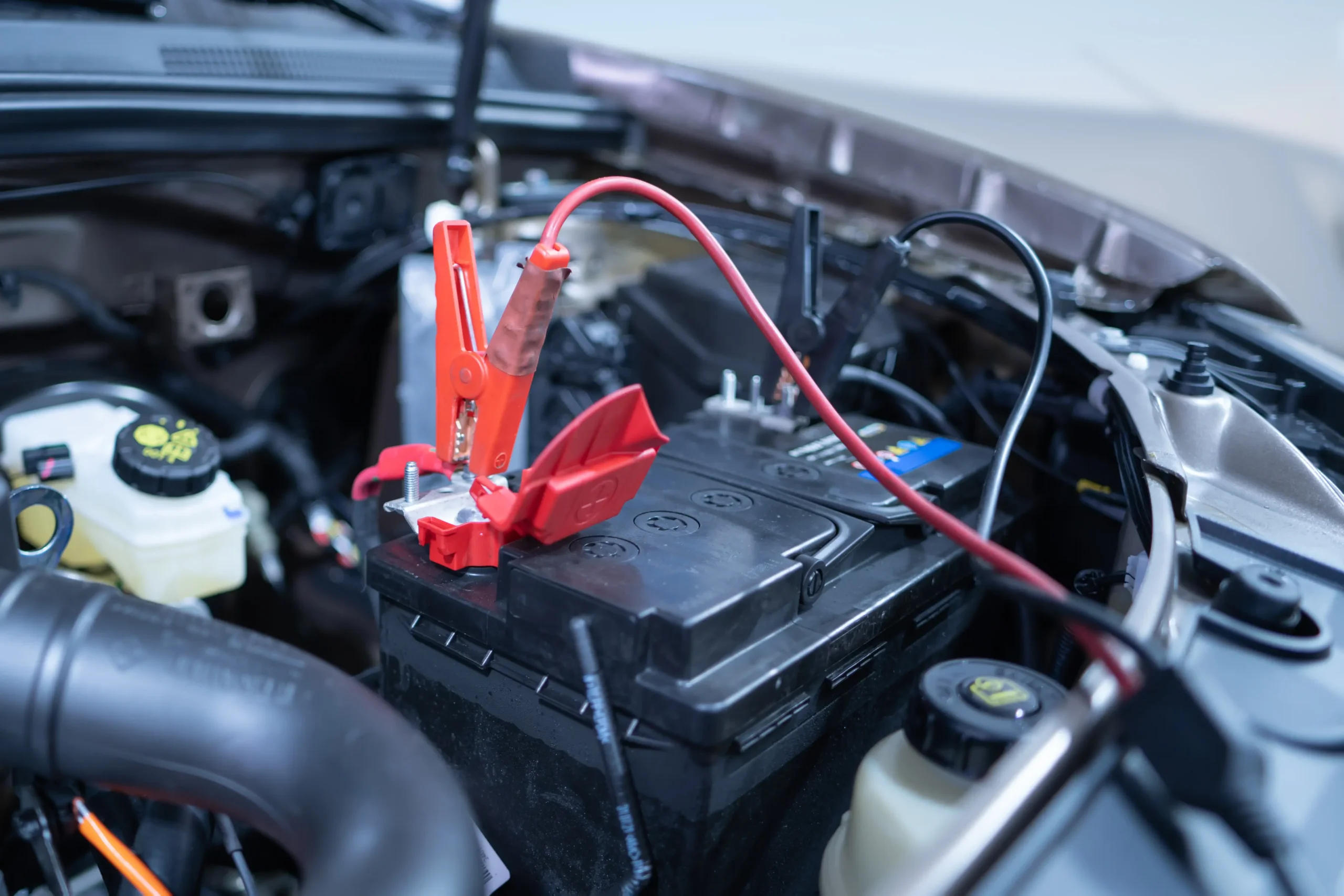
Florida heat is hard on more than the people living in it. Long stretches of high temperatures can also shorten the life of your car battery, even when the vehicle still seems to start normally. By late summer and early fall, months of heat exposure may leave a weakened battery struggling to deliver the power your vehicle needs.
The frustrating part is that battery trouble often feels sudden. Your car starts fine one day and barely turns over the next. Knowing the early car battery warning signs can help you arrange a test before you are stuck in a parking lot or driveway.
A typical car battery depends on a chemical reaction to store and deliver power. Heat speeds up that reaction, but it also speeds up the processes that wear the battery down. Prolonged high temperatures can increase internal corrosion and, depending on the battery design, contribute to fluid loss. Over time, the battery may hold less of a charge and have less reserve power when the engine needs to start.
That matters in Panama City and the surrounding Florida Panhandle, where vehicles spend months sitting in hot driveways, parking lots, and garages. The temperature under the hood can climb even higher than the temperature outside, especially after driving. A battery does not have to fail during the hottest afternoon to be heat-damaged. The wear can build quietly and become obvious later.
Summer heat can weaken a battery, but the first obvious problem may appear weeks or months later. Starting an engine requires a quick burst of power. If the battery has lost capacity, a slightly cooler morning, several short trips, or leaving an accessory on can expose that weakness. This is why drivers sometimes blame the first cool spell when the damage actually developed during the summer.
Short trips can make the situation worse because the alternator may not have enough driving time to fully recharge the battery after each start. Added electrical demand from air conditioning, phone chargers, lights, and other accessories can also place more strain on an already weak system.
A healthy battery should turn the engine over with a strong, familiar sound. If the engine cranks more slowly than usual, hesitates before starting, or sounds like it is struggling, the battery may not be delivering enough power. Do not wait for the next attempt to become a no-start.
Headlights that dim while the vehicle is starting, a dashboard that flickers, or power accessories that behave inconsistently can point to low voltage. These symptoms may involve the battery, but they can also indicate a problem elsewhere in the electrical or charging system.
One dead battery can happen because a light was left on. Repeated jump-starts are different. If the battery loses power again shortly after being charged, it may no longer hold a charge, or the alternator may not be replenishing it correctly. Grease Pro can perform a starting and charging system check to help separate a battery problem from an alternator, starter, connection, or electrical issue.
White, blue, or greenish buildup around the battery terminals can interfere with the electrical connection. Corrosion does not automatically mean the battery must be replaced, but it should be inspected and cleaned correctly. Grease Pro’s battery replacement and terminal services include battery testing and attention to the terminal connections that help carry power through the vehicle.
A swollen, cracked, or leaking battery needs prompt professional attention. Do not touch leaking material or attempt to handle a visibly damaged battery yourself. Heat and internal pressure can deform the case, and the safest next step is to have the vehicle inspected.
The battery-shaped dashboard light usually points to the charging system, not simply the battery itself. The alternator, wiring, belt, terminals, or another component could be involved. If the light stays on while the engine is running, reduce unnecessary electrical use and have the system checked as soon as possible.
Battery, alternator, and starter problems can produce similar symptoms, so replacing the first part that seems suspicious is not always the right answer. A weak battery may cause slow cranking. A failing starter may produce a click without turning the engine. A charging-system problem may allow the car to start after a jump but leave the battery drained again later.
Testing matters because each problem requires a different repair. Grease Pro’s starting, charging, and battery services evaluate the system instead of relying on one symptom alone. That helps prevent replacing a battery when the real issue is an alternator, starter, damaged connection, or another electrical concern.
Many car batteries last around three to five years, but climate, driving habits, vehicle electronics, and battery type can shorten or extend that range. Age is useful context, not a guarantee. A newer battery can still fail, and an older battery may continue working while gradually losing capacity.
Testing is especially worthwhile when the battery is several years old, the vehicle has been slow to start, or you are preparing for a longer drive. Grease Pro offers a free battery check with every oil change, making routine service a convenient time to check battery health before a problem interrupts your day.
A battery does not have to be completely dead to need attention. Testing can show whether it still has reliable starting capacity and whether the charging system is doing its job. If your vehicle has been slow to start, needed a jump, or shown another warning sign, schedule a service with Grease Pro or find the Grease Pro location nearest you. We serve drivers throughout Panama City, Panama City Beach, Lynn Haven, Callaway, Chipley, and surrounding Northwest Florida communities.
Yes. Prolonged heat can accelerate internal corrosion and other wear that reduce a battery’s ability to hold and deliver power. The battery may not fail immediately, which is why problems can appear after the hottest part of summer has passed.
No. A jump-start only supplies enough outside power to start the vehicle. The battery may still be weak, and the alternator or another charging-system component may also be contributing to the problem.
Slow cranking is a good reason to have the battery and charging system tested, but it does not identify the failed part by itself. Testing can confirm whether the battery needs replacement or another component is causing the symptom.
The battery light usually means the charging system is not operating as expected. The battery, alternator, wiring, belt, or electrical connections may be involved, so the system should be diagnosed rather than assuming the battery alone is at fault.
Find the nearest Grease Pro location offering the service you need.
BROWSE ALL LOCATIONS +